Blaise Rémillard
Conseil régional de l'environnement de Montréal (CRE)

What if we reimagined the space dedicated to cars as a public good?
In Montreal, cars take up a disproportionate amount of space on our streets, despite their impact on the climate, road safety, and health. This “over-reliance on cars” often stems from habit or a lack of alternatives. This is what we call “over-motorization”: owning a car out of habit or necessity, when other modes of transportation are available. The goal of demotorization is not to eliminate all cars, but rather to make travel accessible and sustainable for as many people as possible. It also means rethinking public space so that it serves people first, not vehicles. In Montreal, the diversity of neighborhoods, territorial inequalities, and seasonal variations all present opportunities to envision and create a more resilient, equitable, and inclusive city.

Conseil régional de l'environnement de Montréal (CRE)
Coalition mobilité active Montréal
Service de l'urbanisme et de la mobilité - Ville de Montréal
Coop Carbone
Coordinator of the Demotorization Working Group & Project Manager - Urban Planning and Sustainable Mobility, CRE Montreal
LocoMotion
GRAME
LocoMotion
Produced by the working group, *A Way Out: Freeing Our Communities from Car Dependence* is a resource for neighborhood stakeholders who want to take action to cap or reduce the number of registered vehicles in Montreal. Based on cutting-edge research, it is an essential resource for building a strong case and understanding the underlying issues of de-motorization.
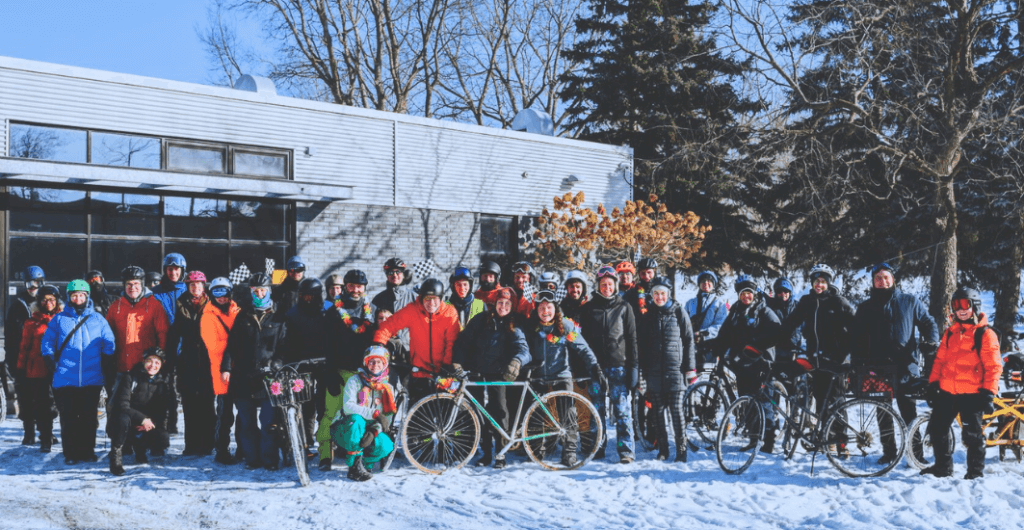
The purpose of the calculator is to provide a common metric for civil society organizations and citizen groups to facilitate certain funding applications and accountability. Based on the most recent data from Montreal, this tool standardizes the assessment of GHG emissions avoided through your sustainable mobility projects, across various modes of personal transportation.
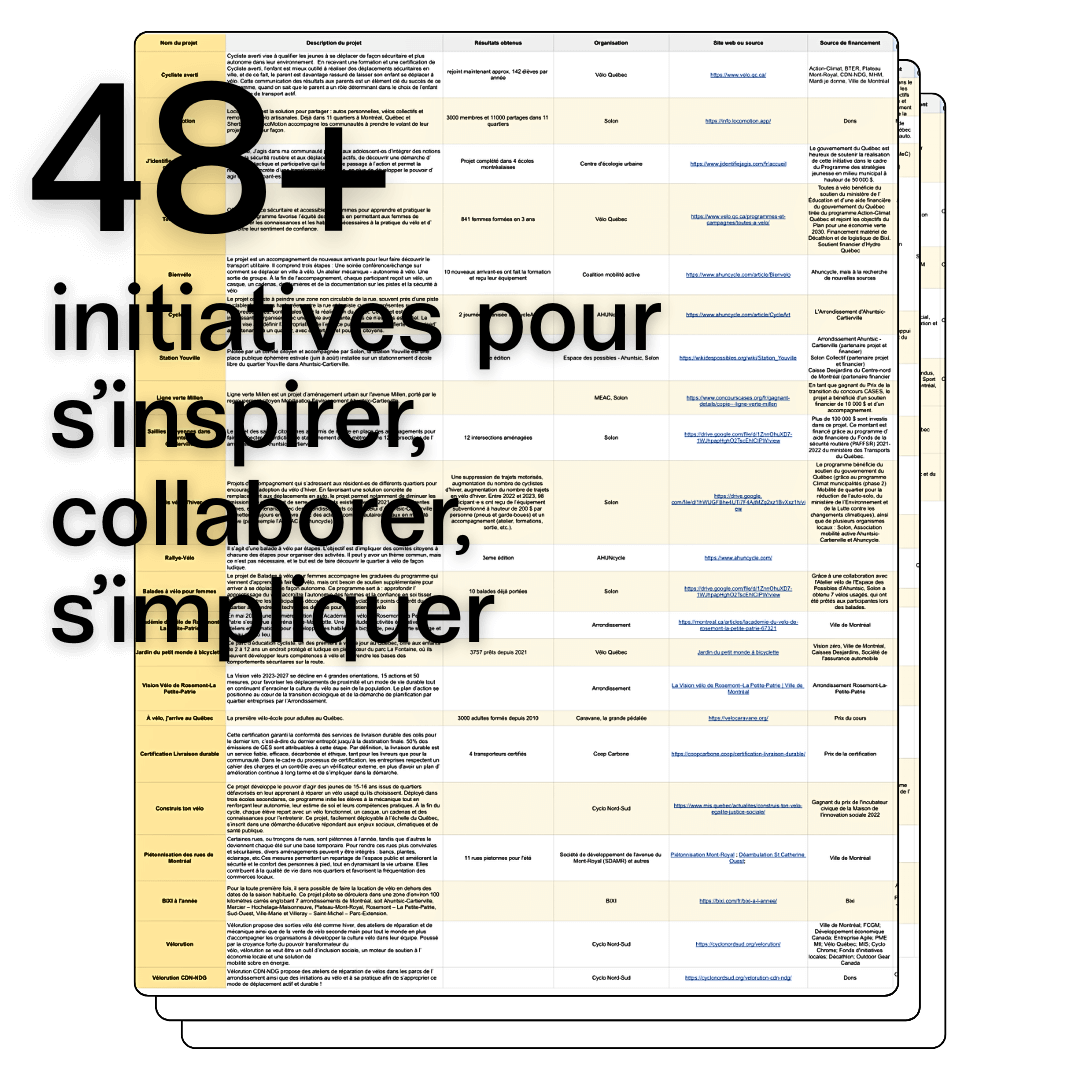
Featuring more than 48 initiatives, this tool highlights a variety of current and past approaches that have helped address the challenges of excessive car use at the neighborhood level in Montreal. Several types of projects are listed, including those related to regulations, road design, as well as bicycle workshops, service offerings, and awareness campaigns. The tool’s evolving nature allows you to add new initiatives to the directory.
As part of the alliance’s first official statement, the Demotorization Working Group met with and consulted alliance members over several months to refine and adopt a statement outlining various demands, positions, and commitments regarding demotorization in Montreal.
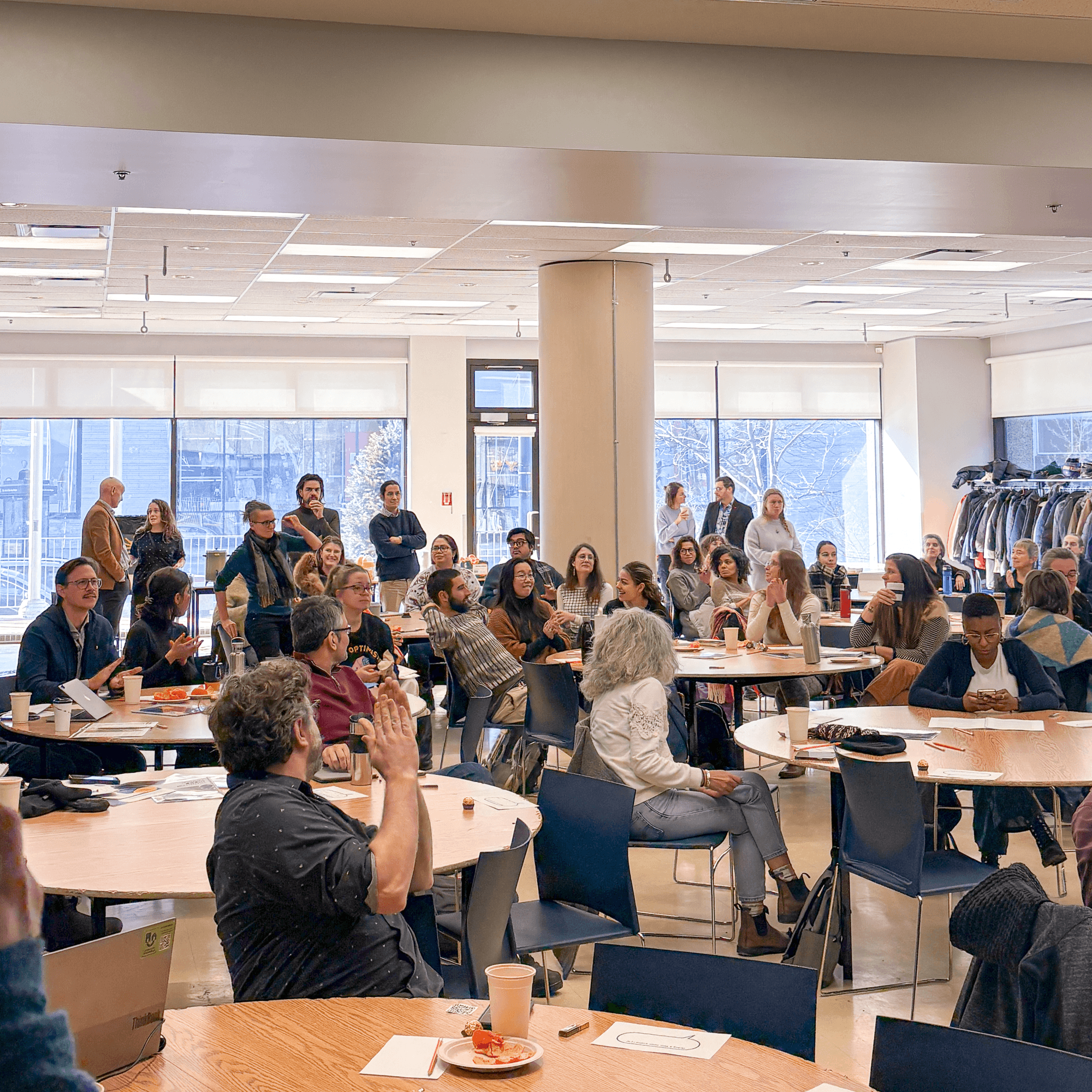
In the relaxed and supportive atmosphere characteristic of Espace Solutions, about 60 participants from diverse backgrounds gathered to share their knowledge and skills in support of five neighborhood-scale mobility projects. Among the outcomes of the event were concrete solutions, new contacts, and insights to help take the projects to the next level.
