
Understanding Displacement and Socio-Ecological Transition Together: The First Event in the Environmental Justice Series
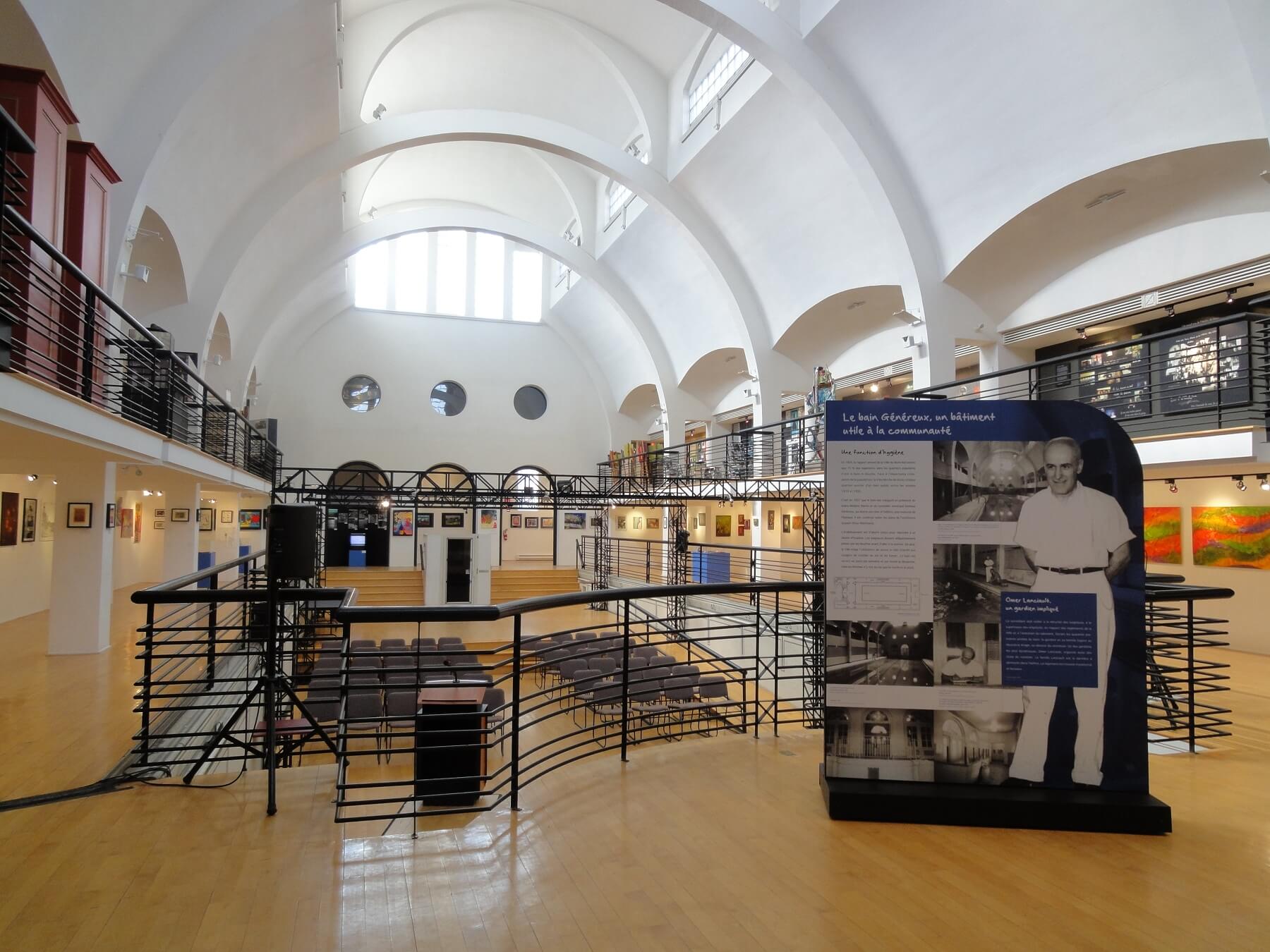
To kick off the first season of its new Environmental Justice Pathway, TEC invites you on February 23, from 9:30 a.m. to 12:00 p.m., to the Écomusée du fier monde to challenge common misconceptions about homelessness and explore its deep connections to the socio-ecological transition. A few months after the conclusion of the Mikana training sessions, this event launches this new program—designed as a series of informal gatherings rooted in real-world experiences—which will unfold over four thematic seasons in 2026.
Displacement and Socio-Ecological Transition: How Can We Move Beyond Clichés?
Although often reduced to simplistic portrayals or emergency responses, homelessness is at the heart of numerous social, territorial, and environmental dynamics. Climate crises, urban transformations, social inequalities, and coexistence in public spaces: how do these realities intersect, what do they tell us about the way we inhabit our cities and conceive of the transition, and what innovative solutions are available to us?
The collective learning session on homelessness and the socio-ecological transition aims to address these questions. Drawing on perspectives from research, fieldwork, and social history, the session aims to foster a more nuanced, nuanced, and collective understanding of these complex issues.
A session at the heart of the exhibition at the Écomusée du fier monde
The event will take place at the Écomusée du fier monde, in the heart of the exhibition *Place Émilie-Gamelin: 200 Years of Social Coexistence*. After a guided tour of the exhibition, participants will be invited to continue exploring on their own, guided by their own questions and experiences.
Content and Contributions
-
Climate Impacts and Homelessness
Mélissa Roy, professor at the School of Social Work at UQAM -
Social Cohesion and the Neighborhood Perspective
Judikaëlle Marterer, Faubourg Saint-Laurent Roundtable -
Exhibition – Place Émilie-Gamelin: 200 Years of Social Coexistence
Écomusée du fier monde
A user-friendly format for learning together
In keeping with the spirit of the Environmental Justice Journey, the session emphasizes a participatory and interactive format:
-
short presentations to stimulate discussion;
-
a discussion workshop to explore the material and formulate questions;
-
a plenary session to discuss the group’s concerns as a group.
The goal is not to provide ready-made answers, but to create a dynamic space for learning, dialogue, and the interconnection of knowledge.
Why participate?
-
To gain a deeper understanding of homelessness beyond common misconceptions;
-
To explore the links between social justice and the socio-ecological transition;
-
To meet people from diverse backgrounds and learn together;
-
To be part of an effort toward continuity, decolonization, and social transformation led by the TEC Alliance.